 Content Analyst at Investors Clinic
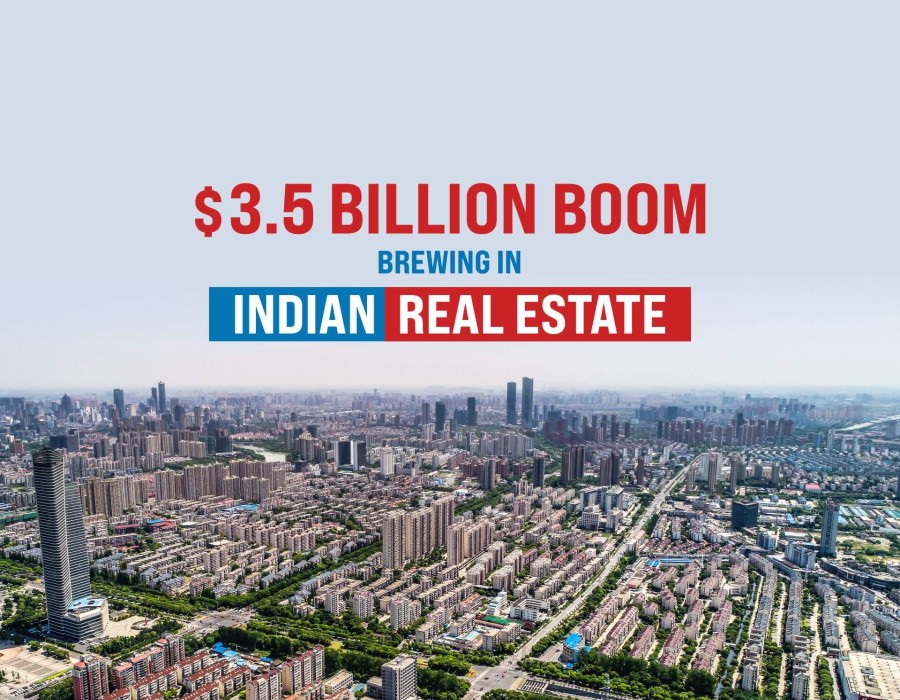
The Indian retail real estate is on the cusp of a growth spurt, with investment expected to touch $3.5 billion in the coming years. This is no coincidence but is instead being fueled by a shift in consumer behavior, resurgence in the physical retail sector, and the regained confidence of local and foreign capital. Although residential, office property, commercial and office space for rent have been the hot topics in the past, retail-oriented projects like malls, high streets, and mixed-use property are fast emerging as the defining projects.
What distinguishes this stage from the previous one is that the expansion is not restricted to the metropolitan cities. The Tier II & III cities are also witnessing interest owing to the expansion in retail space brought by the retailing companies for a stable return on investment.
What is Underpinning the Current Investment Boom?
There are a number of structural and market-driven reasons why capital is flowing into Indian retail real estate :
- Increasing levels of disposable incomes and the influence of urbanization are triggering consumption
- Organized retail expansion
- Underutilized malls are being repurposed
- Retail property is less susceptible to variability than some other sectors.
Also, professional retail estate agents were instrumental in matching the right assets to investors, especially in emerging retail corridors.
Why Investors Are Focusing Indian Retail Real Estate
Global and domestic investors view India as a long-term consumption story and not as a short-term trade. The reasons are as follows:
- A young population with evolving lifestyle aspirations
- Rapid growth of middle-income households
- Growing competition and penetration of global retail brands
- Policy Reforms to support transparency and REIT Participation
To the institutional players, retail properties offer a hedge against inflation and an opportunity to participate in consumption growth. To private investors, retail assets are tangible investment opportunities with recurring income potential.
Demand vs Supply in Retail Real Estate
With concerns of oversupply in the past, the current scenario reflects a more balanced equation:
- There's a growing demand for experience-based retail spaces.
- Supply is also moving away from the single large-format malls to mixed-use formats
- Vacancy levels are improving in well-located assets
Developers are also working on flexibility—creating spaces that can be easily converted and adapted into food, entertainment, wellness, and lifestyle retail spaces. In many urban settings, good quality commercial and office space leasing is being combined with retail space to provide foot traffic throughout the day.
Foreign Brands Impact
Foreign brands are no longer restricted to their flagship stores in metro cities. The growth strategy of foreign brands now encompasses:
- Entry into Tier II cities
- High Street formats more preferred than malls
- Leasing contracts of longer tenure
How This Investment Helps the Economy
The retail real estate growth not only benefits retailer and real estate developers but also helps in boosting:
- Employment: Workforce demands in various domains such as construction, facility management, and retail operations.
- Urban Infrastructural Development: Improved Road Infrastructure and Public Transportation
- MSME assistance: Small retailers get access to organized platforms
- Tax revenue: Enhanced compliance and formalization
High-value retail zones further support adjacent residential demand, especially in segments such as Luxury properties in Delhi NCR, where proximity to premium retail adds to the overall property value.
What It Means for Developers and Investors
The developers and the investors have to be ready, for what's coming next and do the following:
- Focus on asset management and not just mere creation of assets.
- Emphasize tenant experience and long-term leasing
- Use data-informed insights to drive location and design decisions
For investors, however, it is necessary to look beyond the headlines. By teaming up with well-experienced retail estate agents and Property Consultants, footfall potential can be assessed, catchment strength, and tenant sustainability.
Future Outlook: Indian Retail Real Estate
The sector is likely to become more stable instead of getting too big too fast. Some important things to pay attention include:
- Growth of neighborhood retail and lifestyle centers
- Increased institutional ownership through REITs
- Redeveloping aging malls into mixed-use hubs
- Technology-led retail experiences
The retail real estate sector in India will see its properties globally standardized, yet remain localized. With changing consumption patterns, retail space will turn into social destinations and become experiential rather than purely transactional.
Final Thoughts
The estimated $3.5 billion investment boost marks a turning point in the retail property sector in India. With proper supply, an increase in demand, and sustained interest from investors, retail real estate stands poised to emerge as one among the most robust sectors in the country. However, it’s crucial that this phase turns out to be successful in terms of proper development, proper management, and proper understanding related to consumer behavior.