 Content Analyst at Investors Clinic
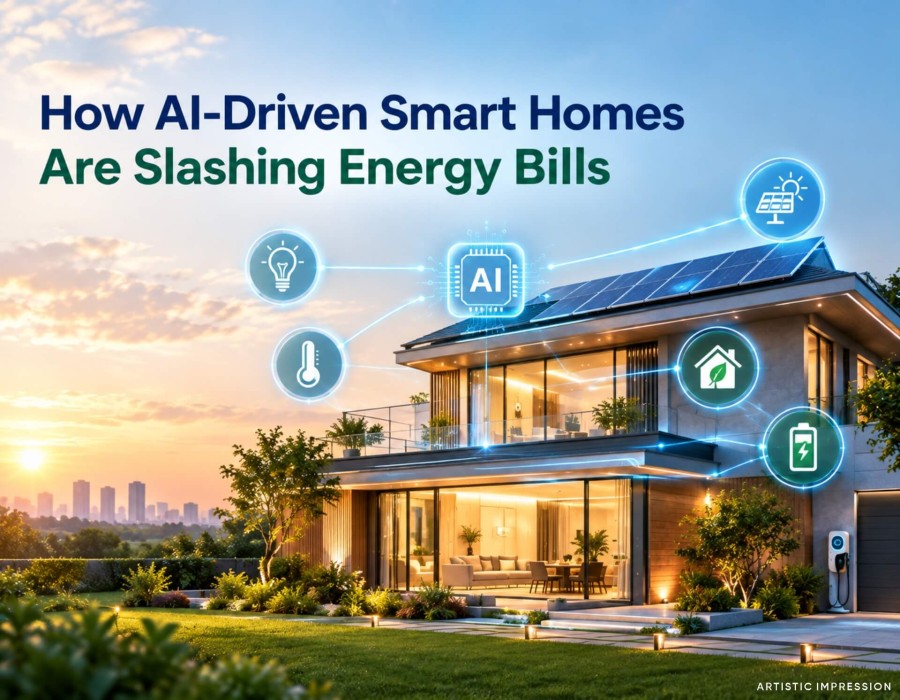
Everything around us change with the time be it weather, people, lifestyle or for the matter of fact our homes and lifestyle. With changing times everything is evolving from traditional homes homebuyers nowadays switching to smart homes. People who tend to invest in luxury homes expect their homes to be smart and technology-driven, making their life easy, quick, and comfortable.
What is a Smart Home?
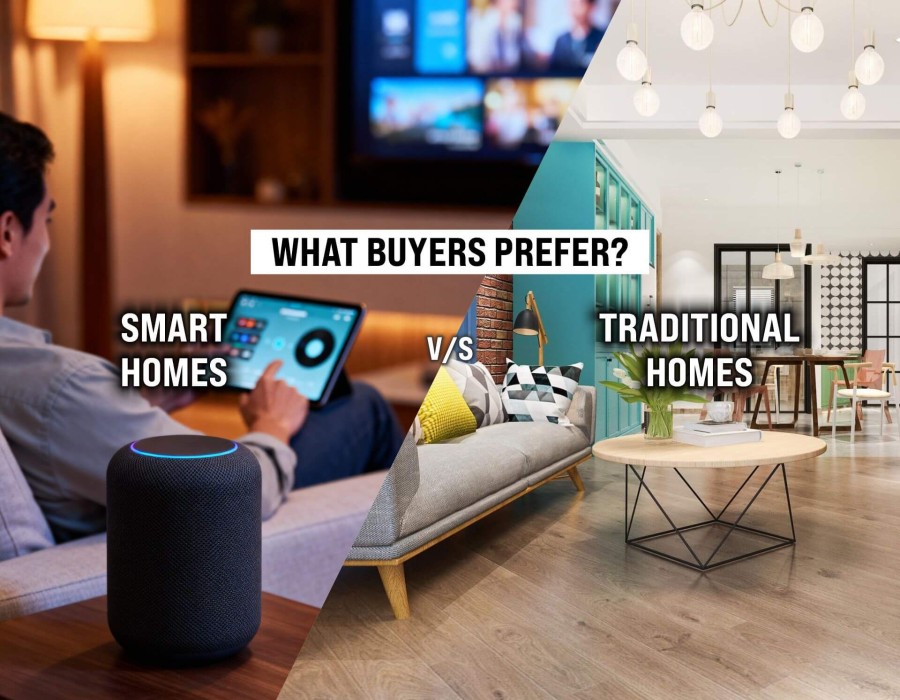
Smart homes run on the concept of automation. Most of these homes are technology-driven and all house operations are automated by the systems such as Apple Smart Home Kit, Google Home, or Alexa. These systems are programmed based on sensors that learn your habits over time.
Advantages of Smart Homes
Let’s look into a few advantages of smart homes:
- Lights and temperature that adjust automatically
- Being able to ask a speaker to do stuff for you
- Doorbell cameras that let you see who's there from anywhere
- Thermostats that help lower electric bills
- Fridges that can tell you when you're out of milk
What is a Traditional Home?
Traditional homes are exactly what they sound like—houses without all the tech add-ons. You flip switches yourself. You turn the thermostat knob when you're hot or cold. Nothing happens unless you make it happen. Some people genuinely prefer this. No worrying about Wi-Fi going down and suddenly you can't turn on the lights. No figuring out which app controls what.
Advantages of Traditional Home
- Light switches you actually have to touch
- Regular locks with actual keys
- Building materials that've been around forever
- Usually cheaper to buy upfront
- No tech support calls for your house
Why Buyers Prefer Smart Homes?
Choosing between Smart Homes and Traditional Homes, buyers prefer smart homes nowadays because these home not only fancy but actually make life easier in some real ways.
They save You Money
Smart thermostats are pretty great at figuring out when you're home and when you're not. They stop heating or cooling an empty house, which can knock a decent chunk off your energy bill. Some people report saving like 30% on heating and cooling. Not too shabby.
Peace of Mind When You're Away
Ever been on vacation and suddenly wondered, "Wait, did I lock the back door?" With a smart home, you can just check your phone. See who's at your front door from work. Get an alert if that weird beeping from your smoke detector turns into a real problem. It's like having eyes on your place 24/7.
It's Just Convenient
Coming home to a house that's already the perfect temperature? Having your morning coffee started before you roll out of bed? That stuff never gets old. Your house basically learns your schedule and just... works with it.
Better Resale Value
Real estate folks in places like Delhi NCR have noticed something—smart homes sell faster and for more money. People looking for luxury properties especially seem to expect this stuff now. It's becoming less of a "cool extra" and more of a "well, duh" feature.
Smart Homes vsTraditional Homes
The Money Talk
If you're shopping for high-end properties, smart features are practically mandatory these days. But traditional homes still have their place, they're way more affordable to get into, and pretty much anyone can buy one without worrying about tech stuff.
Upkeep Headaches
Old-school homes are easy to maintain. Something breaks? Call a handyman. Done. Smart homes need software updates sometimes. Every few years, some gadget might become outdated. But honestly? They also catch problems early sometimes, like telling you your water heater's acting weird before it explodes.
Who's Buying What?
Younger folks and tech people love smart homes. It just fits how they already live on their phones, expecting everything to work seamlessly. Buyers from old age group or people who just want things simple? They often prefer traditional.
What People Are Actually Choosing
Here's where it gets interesting. In cities, especially places where real estate consultants work in places like Delhi NCR, smart features are in high demand. A lot of smart buyers are going for traditional homes they can slowly upgrade. Maybe add a smart lock first. Then a thermostat. Then some lights. It spreads out the cost and lets them figure out what they actually use.
What's Happening in Luxury Market
If you're seeking to buy luxury properties or planning to invest in luxury homes; smart features aren't optional anymore. Rich buyers expect this stuff the way people used to expect indoor plumbing. It's just standard now. So if buy luxury properties it is mostly technology-driven.
What Actually Matters When You're Buying
Budget is still king. Yeah, smart homes save money eventually, but you pay more upfront. You also gotta think—do you want to fiddle with apps and updates? Or do you just want to flip a switch and be done with it?
Honestly, it comes down to your life. If you travel for work, being able to check your house from anywhere is huge. If you've got little kids, maybe simple is better so you're not yelling at Alexa all day.Talking to real estate consultants Delhi NCR who know your area helps a ton. They'll know what sells in your specific neighborhood and what's just hype.
Bottom Line
Houses are changing, but that doesn't mean you have to. Figure out what actually matters to you and go from there.